THE FOOTWEAR GUIDE
Buying designer shoes online: a practical fit checklist
A clear checklist for comparing shoe size systems, model references, materials and return conditions before ordering online.
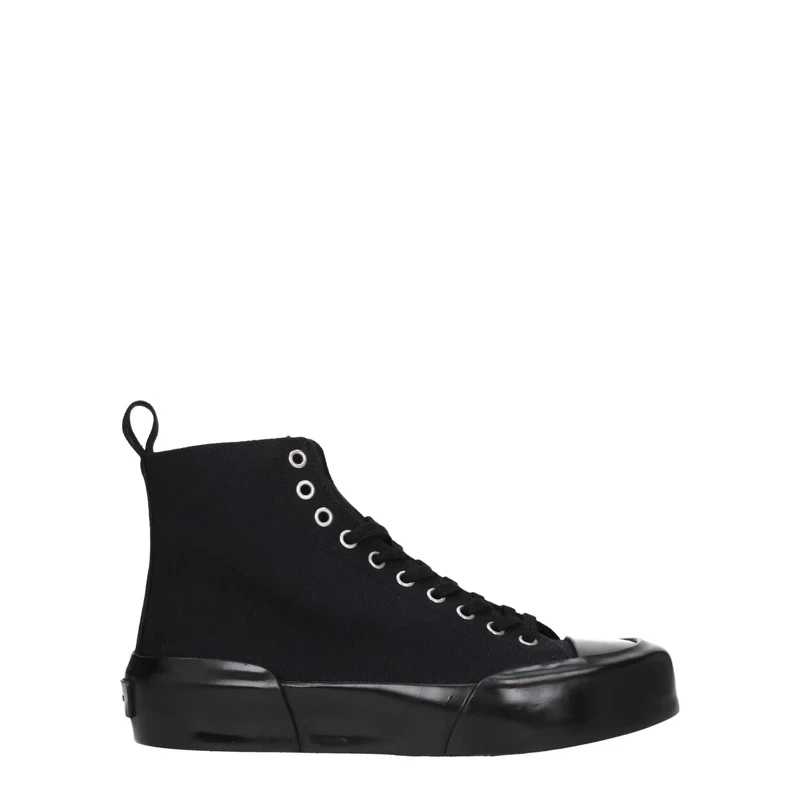
Begin with the sizing system
A number on its own is incomplete. EU, UK and US sizes use different scales, and a conversion chart is a guide rather than a guarantee of fit. Read the chart for the exact brand and model where one is provided. Keep your intended size and its system together when reviewing the selected variant and your bag.
Measure against the chart instructions
Measure both feet and follow the method specified by the manufacturer. Foot length and insole length are different measurements; do not compare them as though they were interchangeable. Consider the socks or hosiery you intend to wear. If you are between sizes, look for model-specific guidance instead of applying the same rule to every shoe.
Check width and construction
Length is only part of fit. A narrow toe, a deep heel cup or a structured upper can change how a shoe feels even when the marked size matches another pair you own. Review the stated material, fastening and shape. Avoid assuming a tight shoe will stretch enough to solve a fit problem; the behaviour depends on its construction and material.
Read the selected variant before payment
The size advertised in the selected source variant may be the only size represented by that listing. A photograph is a reference for the model and colour, not proof that every size is available. Check the SKU, selected size, colour and material on the product page and in your bag. Clarify any mismatch before creating an order.
Plan a careful indoor fit check
Read the return conditions before ordering. Keep packaging and tags, and protect the soles while checking fit indoors on a clean surface. Outdoor wear or altered packaging may affect return eligibility under the published policy. Choose a pair because its model and fit suit you, with the discount considered after those details.